Recycling and Sustainability at Man And Van Mill Hill
 At Man And Van Mill Hill, sustainability is built into the way we move homes, offices, and bulky items across the local area. Our approach to recycling is designed to reduce landfill, support reuse, and make sure more materials are directed into the right recovery streams. We work with a practical, local focus: separating items carefully, choosing appropriate transfer stations, and planning each collection so that reusable goods, recyclable materials, and residual waste are handled responsibly. For us, recycling in Mill Hill is not an afterthought; it is part of every move.
One of our main goals is to achieve a recycling percentage target of 85% across suitable loads, with the aim of increasing this figure over time as local processing and reuse options continue to improve. This target helps guide sorting decisions on the day, from cardboard and metals to wood, textiles, and electrical items. In practice, that means we try to divert as much as possible away from disposal and into channels where it can be repaired, recycled, or repurposed.
We also keep a close eye on how different boroughs approach waste separation, because local rules can vary and responsible handling depends on following the right process. In many areas around Mill Hill, residents are encouraged to separate paper, glass, mixed recycling, garden waste, and general rubbish into distinct streams, and we mirror that same logic during removals.  That attention to detail helps us support cleaner sorting at the point of collection and improves the chance that materials are accepted by the next stage of processing.
Our operation relies on using local transfer stations that are suited to mixed loads and capable of directing materials to the correct destination. By choosing nearby facilities where possible, we reduce unnecessary travel and keep emissions lower. These stations can help separate bulky items, inert material, metal components, and recyclable household waste before they move on to larger recovery centres. For customers, that means a greener service without adding complexity to the moving day.
We also place strong emphasis on reuse. Many items collected during a move still have value, even if they are no longer needed by the original owner. Furniture in good condition, homeware, and office equipment may be suitable for donation rather than recycling, and this is where our partnerships with charities make a real difference. By passing on usable items to charitable organisations, we help extend product life, reduce waste, and support people and community groups who benefit from affordable or donated goods.
The result is a more circular way of working. Instead of treating everything as rubbish, we assess each load carefully and follow a hierarchy of reuse first, then recycling, and only then disposal. 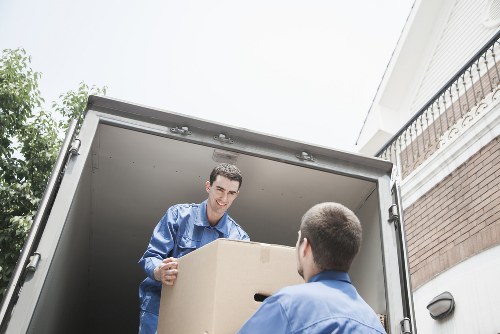 This approach suits the mixed nature of removals in the area, where one job may include old wardrobes, books, packaging, scrap metal, and obsolete appliances. By sorting these items with care, Man And Van Mill Hill can reduce the environmental impact of each move while keeping the process efficient.
Our commitment to greener transport is just as important as how we handle waste. We use low-carbon vans designed to reduce fuel consumption and lower emissions on local journeys. Efficient route planning, sensible load management, and regular vehicle maintenance all help us minimise the carbon footprint of each trip. When combined with local drop-off points and reduced unnecessary mileage, these vans are an important part of our broader sustainability strategy.
We understand that customers want practical services that still align with their environmental values. That is why our Man And Van Mill Hill recycling process is designed to be straightforward, reliable, and environmentally responsible. Whether we are moving a flat, clearing storage, or handling a small office relocation, the same principles apply: separate where possible, reuse when suitable, and recycle through approved channels. This keeps the service efficient while supporting better outcomes for the local environment.
 In areas where borough-led recycling rules place emphasis on separation, our team is careful to follow the same logic during every collection. That can include keeping paper and cardboard dry and clean, setting aside metals, and isolating electrical items for proper treatment. Some boroughs also place focus on garden waste or food-waste separation, and although our role is not to replace local household collections, we do help by ensuring mixed clearances are divided sensibly before they reach transfer stations or reuse partners.
We also recognise that sustainability is not only about the destination of waste, but about the choices made before the van even sets off. Whenever possible, we combine jobs in the same area to reduce empty runs, and we plan collections so that the most recyclable items are loaded efficiently and safely. This helps us keep Man And Van Mill Hill sustainability efforts consistent across the service, rather than relying on a single green measure.
For larger clearances, careful planning can make a significant difference. Materials such as plasterboard, wood offcuts, metal fixtures, packaging, and old soft furnishings may each require different handling. By identifying these early, we can direct them to suitable recovery options and avoid contamination that might otherwise reduce recycling performance. This sort of disciplined sorting is essential if we are to maintain and improve our recycling rate year after year.
 Ultimately, our aim is to offer a removals service that is both practical and environmentally conscious. From partnerships with charities to local transfer stations and low-carbon vans, every part of the process is designed with better resource use in mind. As recycling in Mill Hill continues to evolve, we remain committed to helping residents and businesses move in a way that supports reuse, reduces waste, and respects the communities we serve.