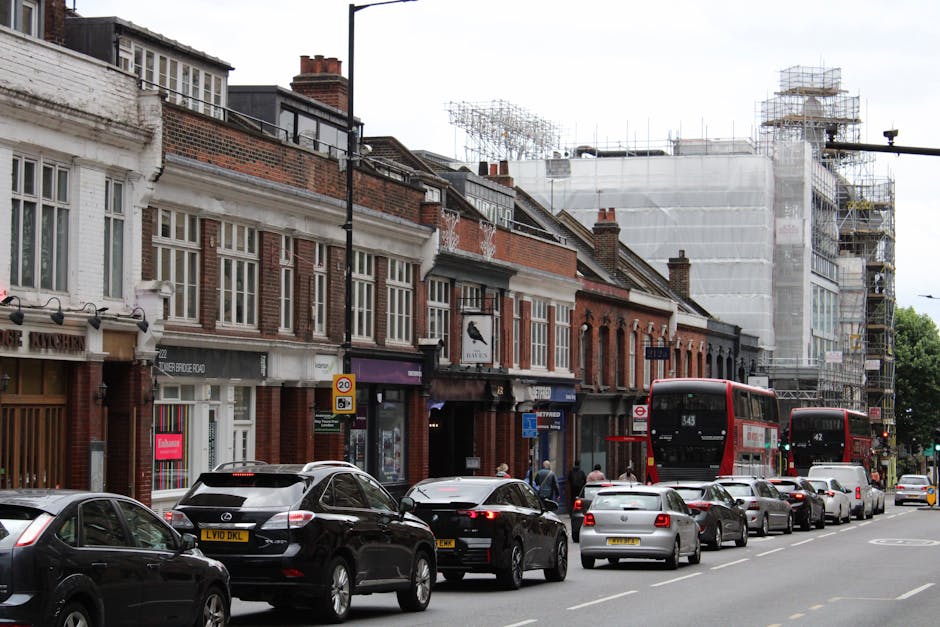
Moving around Mill Hill Broadway can look straightforward on a map, but NW7 relocations often involve tighter access, parking pressure, stair-heavy flats, busy main-road timing, and the usual moving-day reality: too many boxes, not enough daylight, and one item that is always heavier than it looks. This Mill Hill Broadway removals guide for NW7 moves is designed to help you plan a move that feels organised rather than chaotic.
Whether you are relocating a studio near the station, shifting family furniture across NW7, or arranging a same-day man and van job with a narrow loading window, the basics stay the same: plan the route, pack intelligently, protect fragile items, and choose a service level that matches the scale of the move. If you want a fuller overview of move types and support options, the services overview is a useful place to start.
This article walks through how Mill Hill Broadway moves typically work, what makes them different from other London moves, and how to avoid the mistakes that cost time, money, and a surprising amount of energy.
Table of Contents
- Why Mill Hill Broadway removals guide for NW7 moves Matters
- How Mill Hill Broadway removals guide for NW7 moves Works
- Key Benefits and Practical Advantages
- Who This Is For and When It Makes Sense
- Step-by-Step Guidance
- Expert Tips for Better Results
- Common Mistakes to Avoid
- Tools, Resources and Recommendations
- Law, Compliance, Standards, or Best Practice
- Options, Methods, or Comparison Table
- Case Study or Real-World Example
- Practical Checklist
- Conclusion
- Frequently Asked Questions
Why Mill Hill Broadway removals guide for NW7 moves Matters
Mill Hill Broadway is not just another local postcode reference. It is a working transport and residential area where timing matters, access can vary street by street, and a move can be affected by station traffic, loading restrictions, flat layouts, and the practical challenge of getting items safely from A to B without blocking the road or your own stress levels.
That matters because removal problems usually begin before the van arrives. One poorly measured sofa, one overlooked parking permit, or one missing box of essentials can turn an otherwise simple NW7 move into a half-day scramble. A clear guide helps you avoid the common false economy of "we'll just sort it on the day." That line has defeated many a perfectly good plan.
For Mill Hill Broadway and the wider NW7 area, the most important issues are usually:
- Access: steps, narrow hallways, lifts, and shared entrances can all slow loading.
- Timing: school runs, commuter movement, and local traffic can affect arrival windows.
- Property type: flats, maisonettes, and terraced homes often need different moving approaches.
- Item mix: from wardrobes and beds to fragile tech, not everything should be handled the same way.
- Parking and loading: a van that cannot stop close enough to the door changes the job dramatically.
In practice, the best NW7 removals are the ones planned around the street, not just the inventory. That is why local context matters. It also explains why many people prefer a more flexible service such as a man with van in Manor House style solution for smaller moves, or a more structured house removals service when the load is larger and more complex.
How Mill Hill Broadway removals guide for NW7 moves Works
At a practical level, a good removal process follows a simple chain: assess, prepare, load, transport, unload, and settle. The detail inside those steps is where the difference lies.
First, you assess the move. That means listing furniture, counting boxes, checking access, and noting anything awkward such as a piano, a freezer, an oversized sofa, or a bed frame that only comes apart if somebody still has the right Allen key. Then you prepare the property and the items. Packing should happen before moving day, not during the van loading phase unless you enjoy turning the clock into an enemy.
Next comes the transport plan. For local NW7 relocations, route choice is usually less about distance and more about predictability. A short route can still be slow if loading is awkward or if the van has to park a street away. Many customers benefit from a service that can coordinate arrival to suit building access and life schedules; the option to schedule delivery at the best time for you can be especially helpful when you need to work around keys, handovers, or building rules.
Finally, unloading should be deliberate. Boxes go into their target rooms, heavy furniture goes first, and fragile items are placed where they will not be crushed under a tower of kitchenware. If you have already packed well, this stage feels calm. If not, it becomes a puzzle with a lot of lifting.
A useful way to think about it is this:
Good removals are not just about moving things. They are about reducing friction at every stage.
That means the move works best when each part is prepared in the right order. Packing methods matter too, which is why resources like streamlined packing tips for relocating are worth reading before you start taping boxes shut in a hurry.
Key Benefits and Practical Advantages
A well-planned Mill Hill Broadway move gives you more than just a van and a pair of hands. It creates control. That may sound simple, but on moving day control is valuable.
- Less damage risk: proper packing and lifting techniques protect furniture, walls, and door frames.
- Less stress: when the process is mapped out, you do not spend the day making decisions under pressure.
- Better timing: efficient loading means you are less likely to lose your whole afternoon to delays.
- Cleaner handover: for tenants, a structured move makes it easier to leave the property in better shape.
- Smarter cost control: fewer mistakes usually mean fewer unexpected add-ons or repeat journeys.
For local moves in NW7, the biggest advantage is often flexibility. A good removals plan can be tailored to the property, whether that is a compact flat, a family home, a student move, or a partial office relocation. If you are comparing service levels, a local removal services option may be better for mixed loads, while flat removals support makes more sense when stairs, shared access, and lift usage are part of the picture.
There is also a practical emotional benefit that people underestimate: a good move leaves your head clearer. You arrive in the new place ready to settle, not already exhausted before the kettle has boiled.
Who This Is For and When It Makes Sense
This guide is relevant for anyone moving to, from, or around Mill Hill Broadway and the wider NW7 area, but some readers will find it especially useful.
Homeowners and tenants
If you are moving between properties, you need a service that understands household furniture, white goods, and the timing of handovers. A house move usually benefits from planning ahead, particularly if you are coordinating cleaners, locksmiths, or utility switches.
Students and first-time movers
Smaller moves can still become difficult if you underestimate how much you own. A few bags and boxes can expand into a van load before you know it. For lighter loads, student removals support or a man-and-van arrangement may be the most sensible fit.
Families with bulky furniture
Beds, wardrobes, dining tables, and sofas are where DIY enthusiasm tends to meet physics. If your move involves bulky items, it is worth reading about how to relocate a bed and mattress safely and considering specialist furniture handling.
Anyone with fragile or awkward items
Pianos, glass cabinets, mirrors, artwork, and electronics all need extra care. A piano is a classic example: it looks self-contained, but the weight distribution and sensitivity make it a specialist task. That is why resources such as piano moving guidance can save people from costly mistakes.
In short, this guide makes sense whenever the move is local but not simple. And that is more common than people think.
Step-by-Step Guidance
If you want a smooth NW7 move, follow the process below in order. Not every move will need every step, but the structure helps.
- Audit what is actually moving. Walk room by room and decide what stays, what goes, and what should be donated, sold, or recycled.
- Measure the awkward items. Check door widths, stair turns, lift sizes, and the dimensions of your bigger furniture.
- Book the right type of service. Small load? Consider a van-and-helper arrangement. Larger or more fragile move? Choose a fuller removals service.
- Gather packing materials early. Boxes, tape, labels, bubble wrap, mattress protection, and covers for sofas or upholstered chairs all matter.
- Pack room by room. Keep similar items together and label clearly. "Kitchen" is useful; "misc" is not.
- Prepare an essentials box. Put in kettle, mugs, charger cables, medications, toiletries, a change of clothes, and any documents you will need immediately.
- Protect furniture properly. Disassemble what can be safely dismantled and secure fittings in labelled bags.
- Confirm access details. Share parking notes, floor numbers, lift access, entry codes, and any time restrictions with the removals team.
- Clear paths on moving day. You want a clean route from room to door. Boxes scattered in hallways slow everything down.
- Unload strategically. Place furniture first, then major boxes, then the essentials you need that evening.
A practical example: if you are moving from a first-floor flat near Mill Hill Broadway, a sofa that looked manageable during packing can become an access issue at the stair bend. Measuring in advance and choosing an appropriate service avoids the classic "it almost fits" moment. Almost is not a useful moving metric.
Expert Tips for Better Results
The best moving advice is usually boring in the best possible way. It is about preparation, not heroics.
- Pack heavier items into smaller boxes. A box that is too heavy is more likely to split, drop, or injure someone.
- Use a consistent labelling system. Number boxes and note the destination room. This saves time during unloading.
- Photograph cable setups before unplugging. That helps with TVs, routers, desks, and entertainment units.
- Protect corners and edges. Door frames, tabletops, and mirror edges take the most accidental knocks.
- Keep valuable documents with you. Passports, contracts, and keys should not travel in a random box marked "office bits."
- Do not overfill bin bags. They are useful for soft items, not for books or anything with sharp edges.
If you are moving a sofa into storage or to a new property, long-term care matters too. Upholstery can suffer if it is wrapped badly or stored in damp conditions, so it is worth looking at long-term sofa preservation advice before you make a quick wrapping decision.
Another smart move is to plan around the weather. London weather can be cooperative for exactly ten minutes, which is just enough to lull you into false confidence. Waterproof covers, cardboard floor protection, and a clear entrance route can make a real difference if there is rain on moving day.
Finally, keep the move realistic. If you do not have the manpower, trolleys, or time to safely move heavy items yourself, outsource that part. There is no prize for lifting a wardrobe alone.
Common Mistakes to Avoid
Most moving problems are avoidable. The mistake is usually not the van; it is the planning.
- Leaving packing too late: last-minute packing leads to poor labelling, broken items, and missing essentials.
- Ignoring access constraints: narrow corridors, stairs, and parking rules affect the whole schedule.
- Forgetting disassembly tools: beds, shelves, and tables often need specific tools to come apart neatly.
- Underestimating weight: books, cookware, and file boxes are much heavier than they appear.
- Mixing fragile items with general loads: glasses and ceramics should not travel with random kitchen clutter.
- Not confirming move timings: if keys are delayed or the building has a restricted slot, the whole day can shift.
One of the most common local issues is failing to coordinate the move with the property layout. A good example is a flat with limited parking near Mill Hill Broadway: the van may need to stop slightly further away, which means extra carrying distance. That does not sound dramatic, but it changes both time and labour.
Another frequent oversight is neglecting waste and decluttering. You do not need to move items you no longer use. A pre-move sort can lighten the load considerably, and guidance like steps to declutter before moving is genuinely worthwhile if your cupboards have become a museum of things you once needed.
Tools, Resources and Recommendations
You do not need fancy kit for a successful move, but the right tools help. The aim is not to look professional; it is to avoid avoidable damage and delay.
Useful moving tools
- Strong double-walled boxes
- Packing tape and dispensers
- Marker pens and room labels
- Furniture blankets and protective wraps
- Mattress covers
- Bubble wrap or paper for fragile items
- Basic toolkit for disassembly
- Dolly or sack truck for heavier items
Helpful planning resources
For packing methods, the local packing and boxes service can save time if you are short on materials or want a more structured approach. See packing and boxes support for a practical service option. If you are moving in stages, short-term storage solutions can help bridge the gap between moving out and moving in.
If your move is urgent, the option of same-day removals may be relevant, although it is always better to book early when possible. For anything involving damage protection, service standards, or vehicle handling, it is also sensible to review the provider's insurance and safety information.
If you are ready to compare prices or want a bespoke estimate, the pricing and quotes page is the logical next step. And if you already know your move details, it is usually best to contact the team directly rather than guessing at a price from a generic rule of thumb.
Law, Compliance, Standards, or Best Practice
For most residential NW7 moves, the practical side matters more than legal theory, but there are still a few standards and duties worth keeping in mind.
In the UK, removal work should be carried out with proper attention to health and safety. That includes safe lifting, sensible loading, secure transport, and clear communication where heavy or awkward items are involved. You should expect a removals provider to work in line with its own documented policies and general safety practice, especially where staff, customers, and property are all at risk during loading.
It is also normal for professional removal companies to set out clear terms, payment expectations, and complaint procedures. These may not be exciting reading, but they are useful. If you are comparing providers, a transparent terms and conditions page and an accessible complaints procedure are good signs. So is visible information on payment and security.
For customers, the main best-practice point is simple: disclose what you are moving, be honest about access, and do not ask a team to lift something unsafe without warning. If an item is especially heavy, fragile, valuable, or difficult to manoeuvre, say so in advance. That gives the provider time to plan the right equipment and staffing.
There is also a sustainability angle. A considerate move reduces waste through better packing, smarter reuse, and fewer unnecessary journeys. If that matters to you, have a look at the provider's recycling and sustainability approach.
Options, Methods, or Comparison Table
Different NW7 moves need different levels of support. The best option depends on volume, fragility, access, and time pressure.
| Option | Best for | Strengths | Watch-outs |
|---|---|---|---|
| Man and van | Small to medium local moves | Flexible, practical, often cost-effective | May be less suited to very large or complex loads |
| Full removals service | House moves, large flats, family relocations | Better for heavy furniture, more items, and structured support | Usually needs more planning and a fuller inventory |
| Same-day removals | Urgent or short-notice moves | Fast response and convenience | Availability can be limited, especially at busy times |
| Storage plus removals | Staggered handovers or delayed access | Useful when moving dates do not line up | Requires extra coordination and packing protection |
Choosing between these options is not about picking the "best" one in abstract. It is about matching the method to the move. A one-bedroom flat off Mill Hill Broadway may work perfectly with a man-and-van setup, while a three-bed family home with dismantled furniture and white goods probably benefits from something broader. If you want a local-style service fit for light or mixed loads, the man and van service is worth considering; for larger loads, the removals service is a better match.
Case Study or Real-World Example
Consider a typical NW7 move: a two-bedroom flat near Mill Hill Broadway, a mix of boxed household items, a bed frame, a mattress, a sofa, a dining set, and a few fragile pieces such as mirrors and lamps. The new address is local, but the building at both ends has stairs, and parking is limited near the pickup point.
The move goes well because the preparation is sensible. The customer packs room by room, labels boxes clearly, and separates essentials. Large furniture is dismantled the day before. Fragile items are wrapped independently. The loading route is cleared in advance, and the customer confirms access details before moving day.
On the day, the removal team spends less time figuring things out and more time doing the job. The sofa is carried safely, the mattress is protected, the kitchen boxes are grouped together, and the move is finished without damage or repeated trips. There is still effort involved, of course, but it is controlled effort rather than crisis management.
The key lesson from this kind of move is not that everything must be perfect. It is that small decisions made early remove big problems later. That is the real value of a good NW7 removals guide.
Practical Checklist
Use this checklist in the final week before your move.
- Confirm your moving date and time window
- Check lift access, stair access, and parking arrangements
- Measure large furniture and awkward items
- Sort items into keep, donate, sell, recycle, or bin
- Book your removals support early
- Buy boxes, tape, labels, and protective materials
- Pack an essentials box for the first night
- Back up devices and photograph cable setups
- Defrost and clean any appliances you are moving
- Disassemble furniture where needed
- Protect floors, walls, and corners if required
- Keep valuables and documents with you
- Notify building managers if access needs to be arranged
- Leave clear instructions for the unloading team
Expert summary: the best Mill Hill Broadway move is not the one with the biggest van or the fastest lift. It is the one where the route, the packing, the access, and the timing all line up cleanly. That is what keeps the day calm.
Conclusion
A successful move around Mill Hill Broadway and NW7 depends on practical planning, good packing, and the right level of support. The area is manageable, but like most parts of London, it rewards people who respect access, timing, and the physical realities of moving furniture.
If you remember just three things, make them these: measure before moving, pack before moving day, and match the service to the size of the job. Do that, and the move becomes much more straightforward. You will still be busy, but you will not be firefighting from the first box to the last chair.
For a smoother next step, compare your options, check the service pages that fit your move, and arrange a quote once you know what needs to go. Get a free quote today and see how much you can save.
Frequently Asked Questions
What is the best way to plan a Mill Hill Broadway move in NW7?
Start by listing everything that is moving, measuring your largest items, and checking access at both properties. Then decide whether you need a man and van, a full removals service, or storage support.
How far in advance should I book removals for NW7?
As early as possible, especially if you want a specific date or you are moving near a weekend, month-end, or school holiday period. Short-notice bookings can work, but flexibility helps.
Is a man and van enough for a local flat move?
Often, yes, if the load is modest and access is straightforward. For larger flats, heavy furniture, or multiple bulky items, a fuller removals service is usually a better fit.
What should I do if my building has stairs or no lift?
Tell the removals team before moving day. Stairs affect time, staffing, and handling, so the job needs to be planned around them rather than discovered on arrival.
How do I protect furniture during a Mill Hill Broadway move?
Use blankets, covers, and proper disassembly where appropriate. Keep screws and fittings bagged and labelled, and never leave fragile edges exposed if you can avoid it.
Can I move on the same day if plans change suddenly?
Sometimes. Same-day removals can be useful for urgent situations, but availability is not guaranteed. If your dates are uncertain, speak to the provider early.
What items are hardest to move safely?
Pianos, large sofas, mattresses, mirrors, glass furniture, and heavy appliances are usually the trickiest. They need more care, better planning, or specialist handling.
Do I need storage during my move?
Storage helps when move-out and move-in dates do not line up, or when you want to stage the move in phases. It can also be useful if you are decluttering before settling in.
How can I reduce moving costs without cutting corners?
Declutter before you pack, label boxes properly, prepare access details in advance, and choose the right service level for your load. Efficiency usually saves more than bargain hunting alone.
What should I pack in an essentials box?
Include kettle, mugs, tea or coffee, toiletries, chargers, medications, a change of clothes, basic cleaning supplies, and any key documents you will need on day one.
Is it worth reading service policies before booking?
Yes. Clear information on terms, payment, safety, and complaints tells you a lot about how a provider works and what to expect if something changes.
Can removals help with bulky items like sofas or pianos?
Yes, but the right support matters. Sofas, pianos, and similar items often need specialist handling, so make sure they are declared early and matched to the right service.
How do I know whether my move is better suited to flats removals or house removals?
If you are moving from or into a flat with stairs, lifts, or shared access, flat removals are usually more relevant. For larger family homes with more furniture and boxes, house removals are typically the better option.
What is the most common mistake people make on moving day?
Trying to pack, sort, and lift at the same time. That creates delays and increases the chance of damage. Move-day packing is best kept to a minimum.
Who should I contact if I already know my move details?
If you have dates, addresses, item lists, and access details ready, the best next step is to get in touch directly so the quote and scheduling can be based on real information.